
Filmi 23!
Filmi Toronto’s South Asian Film Festival – 23 Years!
December 6th – 7th, 2025
Stay tuned for some great films!
21st Filmi: Toronto’s South Asian film festival
Harbourfront Centre
 |
Click here to Reply or Forward
|
Filmi 23!
Filmi Toronto’s South Asian Film Festival – 23 Years!
December 6th – 7th, 2025
Stay tuned for some great films!
21st Filmi: Toronto’s South Asian film festival
Harbourfront Centre
|
Click here to Reply or Forward
|







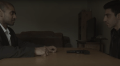












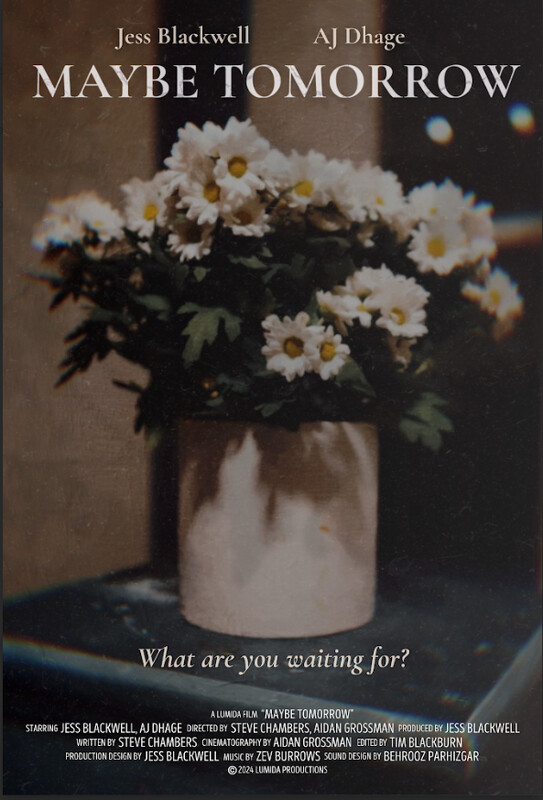
In the face of mounting tension, an overworked woman striving for a better life briefly finds peace with her carefree partner before tragedy strikes.
Consumed by societal pressures pushing her to make a “better” life for herself, Natalie is trapped in a relentless cycle of work that places her at odds with her carefree partner, Andy. What’s worse is that the two live in close quarters in a tiny downtown apartment. As the unsustainable nature of Natalie’s lifestyle comes to the fore, she is pushed to reconnect with Andy, briefly finding peace before the two are torn apart forever.
Director Biography – Steve Chambers, Aidan Grossman
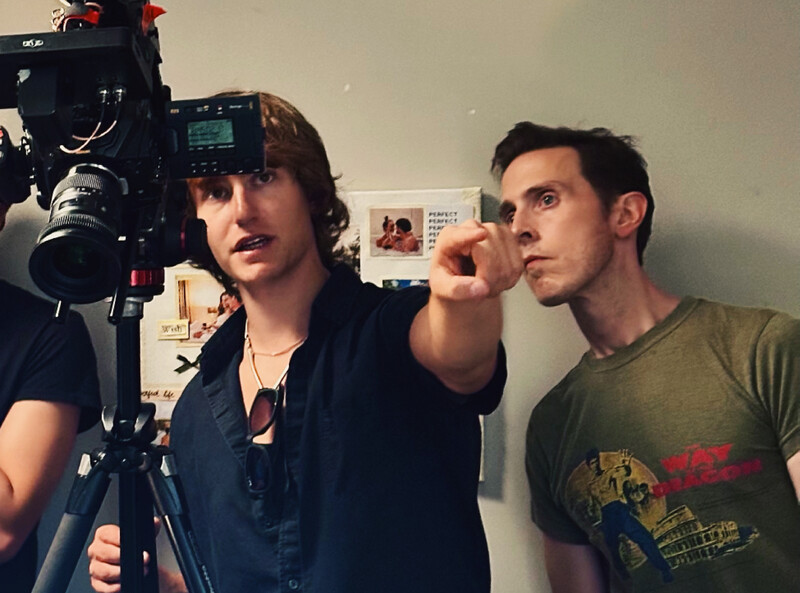
Primarily a writer, Steve Chambers is also a filmmaker and actor. Originally from Toronto, he honed his craft at The New School of Drama and The Neighborhood Playhouse in New York, along with training at The Second City. He also studied screenwriting at George Brown. Steve has left his mark on both stage and screen, producing and starring in acclaimed theatrical productions like “The Indian Wants The Bronx” and “Blood,” which garnered Dora Award nominations. His filmography includes roles in projects such as “Casino Jack,” “Rookie Blue,” and “The Murdoch Mysteries.” Steve has also written and directed short films, and co-wrote the feature film “The Wishing Tree.” Steve has won numerous awards for his work, while placements in screenplay competitions and programs continue to showcase his writing.
Born in Toronto, Aidan Grossman is an actor, filmmaker, and cinematographer with a strong dedication to creating visually compelling, innovative works. He has proudly created and starred in award-winning projects such as “Drummer Boy” (2020), Seabreeze (2021), and Elle (2024), while he has served as Director of Photography on captivating short films such as “Guilty Pleasures” (2025) and “The Nook” (2025).
Director Statement
The idea for “Maybe Tomorrow” stemmed from observing the relentless pressure modern life imposes on us—particularly how social media creates these impossible “couple goals” that leave many feeling inadequate. We were intrigued by the tension between personal ambition and contentment, and how that dynamic could manifest in a relationship. The story explores the quiet, often unseen pressures that make us lose sight of what truly matters until it’s too late.
Today, many of us feel the incessant drive to be productive, to meet societal and social media-imposed ideals. We wanted to tell a story that shows the dangers of getting caught in that cycle, especially when we already have much of what we need in front of us. It’s a cautionary tale about how the pursuit of external success can blind us to the simple joys of life, such as love and connection.
The film speaks to the universal human need to slow down and appreciate what we have rather than endlessly chasing what we think we should have.
Of course, the story was also born out of the writer’s experience of the COVID lockdowns, reflecting how many relationships (including his own) were tested through a time of great uncertainty and fear. For some, living vicariously through a fictional “better version” of themselves was a means of escape from the overwhelming reality of the pandemic era.
The film’s aesthetic is deliberately minimalist, confined to the apartment to emphasize Natalie’s sense of isolation as she chases her goals. The lighting shifts from bright and vibrant in moments when Andy is trying to connect with Natalie, to dim and shadowy when she is lost in her work. The use of tight, claustrophobic framing is meant to mirror how boxed in Natalie feels. We chose to film the project with static shots, removing all movement and keeping the frames still to allow the actors to tell the story through their subtle gestures and emotional states.
We hope that this film will encourage audiences to reflect on their own lives—on how they balance work, love, and the pursuit of happiness. We hope they’ll take away the message that life is about more than just achieving a list of goals—it’s about being present and finding fulfillment in what’s already around us.

 23rd Filmi: Toronto's South Asian Film Festival Dec 6-7 2025
Comments
Trackbacks & Pingbacks
No incoming links found yet.